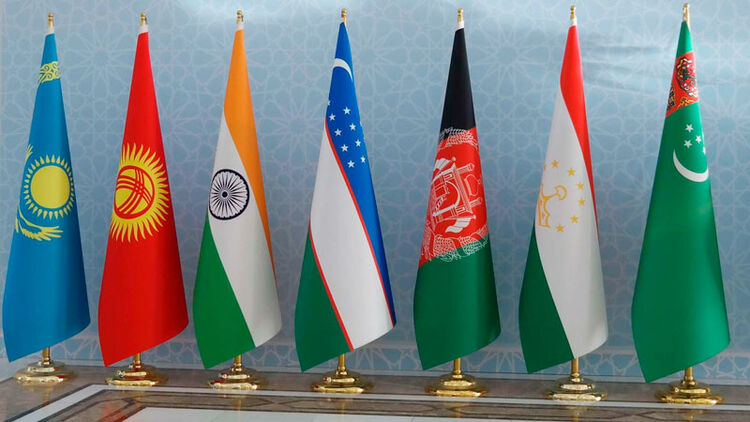
Strategic cooperation between India and the Central Asian republics in defense and security is driven by historical ties, shared security concerns, regional dynamics, and mutual aspirations for stability. This cooperation focuses on countering terrorism, extremism, transnational threats like drug trafficking and cyberattacks, balancing major-power influence, and leveraging geographic and historical linkages for connectivity and regional integration. These factors explain India’s prioritization of ties with Kazakhstan, Kyrgyzstan, Tajikistan, Turkmenistan, and Uzbekistan and support calls for enhancing this cooperation to secure regional peace.
A key driver is shared concern over terrorism and Islamist radicalization. Central Asia’s proximity to Afghanistan exposes both India and the region to cross-border extremist movements. India engages with its extended neighborhood to mitigate threats, while Central Asian countries seek partnerships to bolster their counterterrorism capacities. This alignment has translated into cooperation in counterterrorism dialogues, intelligence sharing, and joint training initiatives.
Addressing non-traditional security challenges, particularly cyber threats, is closely tied to counterterrorism. As digital infrastructure underpins development, both India and Central Asian states face cyberattacks on critical systems. The November 2025 Strategic Cyber Exercise hosted by India brought together cybersecurity agencies from all five republics, emphasizing cooperation in cyberspace and AI to build trust and collective defense capabilities.
Geopolitical context also drives cooperation. Central Asia sits at the nexus of major power competition, and regional frameworks like the SCO provide multilateral opportunities. India’s engagement adds a multivector dimension to its strategic autonomy. Although lacking direct land access, India leverages multilateral and bilateral platforms for representation in security dialogues. The first joint military exercise Birlik 2025 and national security advisers dialogues highlight regional momentum and enhance interoperability through exercises like KazInd, Khanjar, and Dustlik.
Connectivity and infrastructure initiatives further strengthen security cooperation. Landlocked Central Asia benefits from projects like the Ashgabat Agreement and the International North-South Transport Corridor (INSTC), linking it with South Asia, the Middle East, and Europe. India’s participation in these corridors promotes overland connectivity, reduces isolation, improves prosperity, facilitates movement of military hardware, and diminishes illicit trade networks.
Enhancing defense cooperation deepens trust, reinforces commitments to combat terrorism, extremism, and cybercrime, and safeguards economic and connectivity initiatives. Through these partnerships, India contributes to a multipolar security architecture, deterring dominance by any single power and preserving the sovereignty of smaller states. Strong defense relationships, built on regular dialogues, joint exercises, and shared frameworks, are essential for long-term stability and predictable regional relations.